
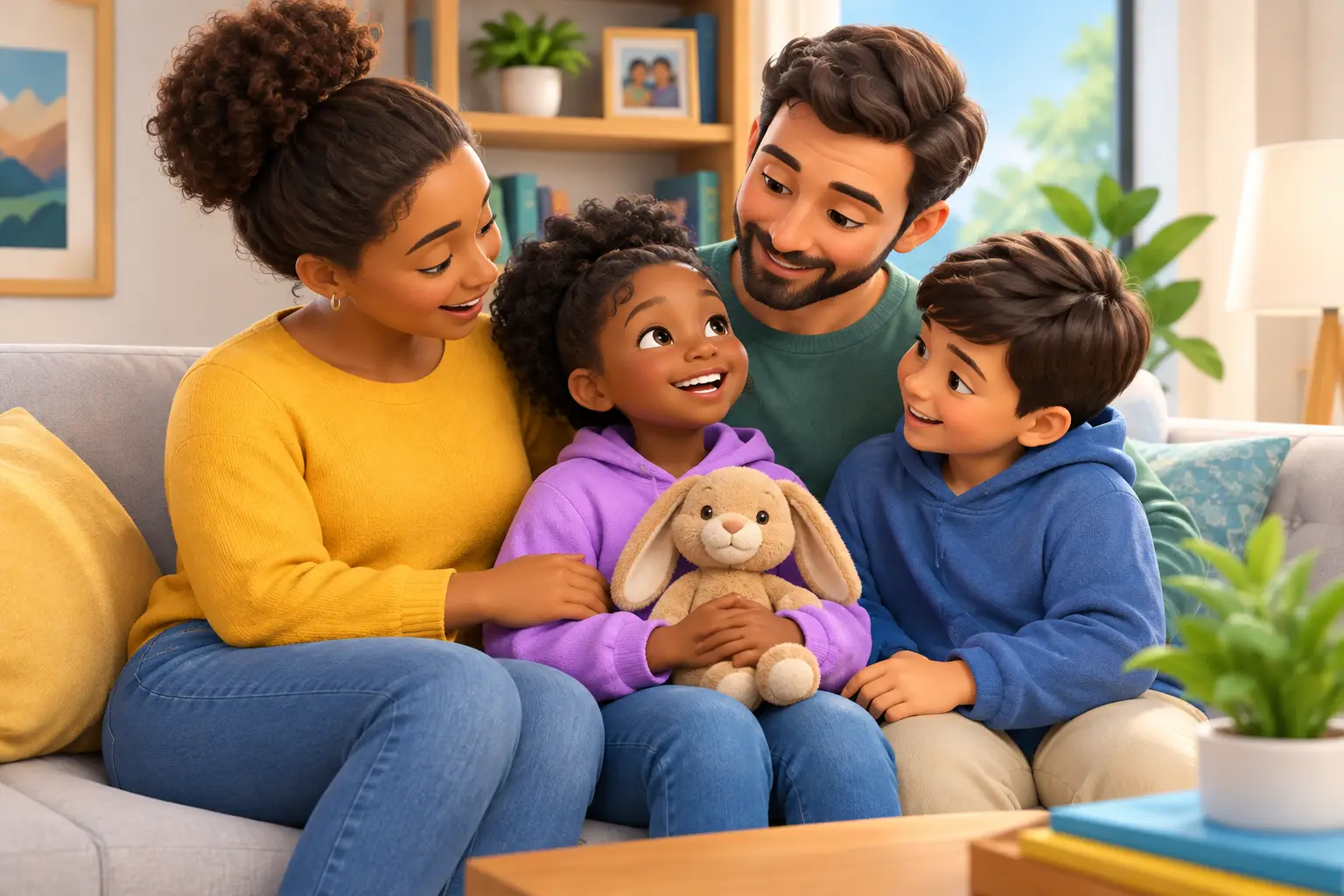
What Foster Adoption Can Mean for Your Family
A child may need a family long before they need someone to promise a perfect outcome. Foster adoption begins with that reality: children deserve safety, consistency, and adults who are ready to keep showing up through both ordinary days and hard ones. For many prospective parents, it can be a meaningful path to growing a family, but it asks for openness, preparation, and a clear understanding of what children in foster care may need.
What foster adoption is – and what it is not
Foster adoption generally refers to adopting a child who has entered the child welfare system. In many cases, a child first lives in foster care while the state works with their parents toward reunification. Reunification with a safe, supported birth family is usually the first goal. Adoption becomes possible when a court ends parental rights and determines that adoption is the appropriate permanent plan.
That distinction matters. Becoming licensed to foster is not the same as being guaranteed an adoption. Some children return home, some live with relatives, and some need another permanent family through adoption. Families who enter the process with respect for every possible outcome are often better prepared to support a child without placing adult expectations on them.
There are also situations in which a child is already legally free for adoption. These children may be living in foster care, with relatives, or in another temporary arrangement while waiting for a permanent family. The process and timing can vary based on the child’s history, legal status, age, sibling connections, and the requirements in their state.
Why children may need adoptive families
Children enter foster care for many reasons, including abuse, neglect, parental substance use, incarceration, housing instability, or a family crisis that has made care unsafe. No child’s story can be reduced to a case file. They are children with memories, relationships, preferences, strengths, worries, and often a deep connection to their family of origin.
Many children waiting for adoption are school-aged, teenagers, or part of sibling groups. Some have experienced multiple moves or losses. Others may have medical, developmental, educational, or emotional support needs. That does not mean they are defined by difficulty. It means their future family should have honest information, appropriate resources, and room to learn.
Adoption is not about rescuing a child. It is about making a lifelong commitment to a young person whose life did not begin with the stability they deserved. That commitment includes celebrating who they are, making space for their questions, and honoring the people and experiences that are part of their story.
The foster adoption process in Florida
The exact process differs by circumstance, but prospective adoptive parents can expect a structured path. In Florida, families typically begin by learning about the available routes to foster care adoption and the requirements involved. A conversation with an experienced adoption professional can help clarify whether you are pursuing foster parenting, adoption of a child whose parental rights have already been terminated, or a path that may involve both.
Education and preparation come first
Training is a core part of the process. It helps prospective parents understand trauma, attachment, child development, grief and loss, behavior as communication, and the realities of parenting within a child welfare system. The goal is not to make families afraid of the unknown. It is to give them tools before a child relies on them.
Preparation also means looking closely at your household. Families may discuss work schedules, parenting approaches, support networks, finances, childcare, transportation, and the ages or needs of children they feel equipped to welcome. Being specific about capacity is not a lack of compassion. It is one way to protect children from another disrupted placement.
The home study looks at readiness
A home study is a required assessment that helps determine whether adoption is appropriate for a family. It often includes background checks, references, interviews, home safety reviews, health information, financial documentation, and conversations about your personal history and relationships.
The home study can feel personal because it is personal. It is not meant to demand perfection. It is intended to ensure that a child will enter a safe, stable home and that the adults involved understand the responsibilities of adoption. Single adults, married couples, and LGBTQIA+ families may all be eligible to adopt, provided they meet the applicable requirements.
Matching should be thoughtful, not rushed
A match is more than a profile photo or a brief description. It should involve meaningful information about a child’s needs, personality, school experience, health, important relationships, and history. Prospective parents should have room to ask direct questions, including questions that feel difficult.
A good match considers whether a family can support the child as they are, not as the adults hope they might become. For example, a child may need continued contact with siblings, therapy appointments, educational advocacy, or time to build trust. A family may need flexibility at work, a strong local support system, or additional training. There is no shame in deciding a particular match is not right. A careful decision can prevent a child from experiencing another loss.
Placement is the beginning of adjustment
When a child joins a family, everyone is adjusting. A child may be excited, quiet, withdrawn, affectionate, watchful, angry, or all of those things at different times. They may test whether adults will remain present when life becomes challenging. Parents may feel joy alongside uncertainty, grief, or worry about getting things right.
Early routines can help. Predictable meals, bedtime rituals, school communication, calm boundaries, and small choices can give a child a sense of control. It is also wise to arrange support before placement whenever possible. Therapy, parent coaching, respite care, school resources, and trusted friends can make the transition less isolating.
Relationships with birth family and siblings
For many children, adoption does not erase the love they feel for their birth parents, siblings, grandparents, or other important people. It should not ask them to choose one family over another. Depending on safety, court orders, and the child’s best interests, ongoing contact or communication may be part of the plan.
These relationships can be complex. They may bring comfort, questions, disappointment, or conflicting emotions. Adoptive parents do not need to have every answer. They do need to respond without judgment when a child wants to talk about where they came from, who they miss, or what they remember.
Sibling bonds deserve particular attention. When siblings cannot be placed together, preserving contact may be deeply important to a child’s sense of identity and belonging. Families should ask what relationships are already meaningful and how they can support them responsibly.
Questions to consider before pursuing foster adoption
Before taking the next step, consider what kind of commitment you can offer over time. Can you parent a child who may not immediately trust you? Are you ready to learn about trauma-informed care and accept help when you need it? Can you make room in your family narrative for a child’s past, birth family, culture, and ongoing connections?
It is also worth thinking about the practical side. Older children and sibling groups may need bedrooms, transportation, tutoring, therapy appointments, advocacy at school, and patient support through transitions. Some families can provide all of that on their own; others need a wider circle. Neither answer is wrong. Honest planning is an act of care.
For families who want personal guidance through adoption decisions, Going Adoption and Surrogacy offers compassionate support that centers the child and helps prospective parents understand the steps ahead. The right support should make space for both your hopes and your questions, without pressuring you toward a path that does not fit.
A permanent family is built over time, in school mornings, difficult conversations, birthday traditions, and the steady message that a child does not have to earn their place. If foster adoption is on your heart, begin by learning with humility and by considering the kind of safe, lasting presence you are ready to offer.